
Introduction
Mobile app development cost is often the first question founders in Egypt ask, and the honest answer is "it depends". That answer is frustrating, but a single price for "an app" makes no more sense than a single price for "a building". Two apps that look alike on the surface can need very different amounts of work behind the screen.
So instead of quoting figures that would mislead you, this guide explains what actually drives the cost. Once you understand each driver, you can shape your idea, compare quotes fairly and decide where to spend. If you have not yet decided between an app and a website, start with our comparison of the two, linked further down.
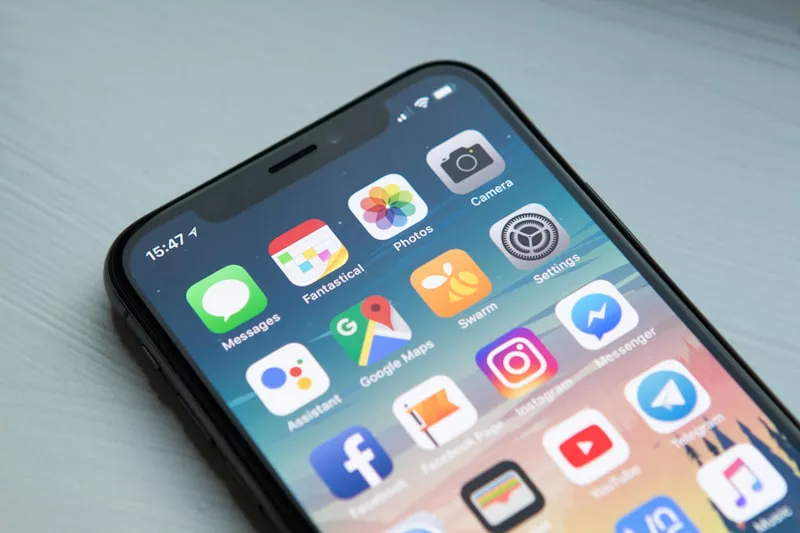
Features and Screens Drive Mobile App Development Cost
Scope is the biggest factor. Every screen has to be designed, built, connected to data and tested. In addition, every feature brings hidden work: error messages, empty states, loading states and edge cases.
For example, "users can log in" sounds like one feature. In practice, it may mean sign-up, login by phone or email, a one-time code, a forgotten password flow and a profile page. Therefore, write each feature as a short user story, such as "a customer can reorder a past order in two taps". The clearer the list, the more accurate the quote.
iOS, Android or Both?
Some businesses in Egypt start on Android, because many of their customers use Android phones. Still, if your customers are business buyers or you sell in the Gulf too, iPhone users may matter just as much. Building for both platforms means more testing and two store releases, even with one shared codebase.
Native or Cross-Platform: How It Changes the Cost
A native app is built twice: once in Swift for iOS and once in Kotlin for Android. As a result, it needs two codebases and often two developers. A cross-platform app, built with a framework such as Flutter or React Native, shares most of its code between both platforms.
For most business apps, such as booking, ordering, loyalty or field service, cross-platform keeps the budget lower and updates faster. Native is worth the extra cost when the app relies heavily on device features, complex animation or top performance. Our guide to the steps to build a mobile app covers this choice as part of the full process.
Before you choose a technology, it helps to see where it fits in the whole project.
Read moreSteps to Build a Mobile App in Egypt: From Idea to LaunchThe Backend and Admin Panel
The part users see is only half the app. Behind it sits a backend: a server, a database and an API that stores orders, users and content. Then there is the admin panel your team uses to manage products, approve bookings, answer requests and view reports.
A simple panel with one admin role costs far less than one with several roles, approval steps and detailed reports. So list who on your team will use the panel and what each person needs to do. If you already run a CRM or ERP, connecting the app to it is extra work that should appear in the quote.
Integrations That Add to Mobile App Development Cost
Most apps talk to outside services, such as payments, maps, SMS and notifications. Each connection adds development and testing time. Common ones in Egypt include:
- Online payments: cards and wallets through a local gateway such as Paymob or Fawry, plus cash on delivery logic. Our guide to payment gateways in Egypt explains the options.
- Maps and location: delivery addresses, branch finders or live tracking.
- SMS codes: one-time passwords for login or order confirmation.
- Push notifications: order updates, reminders and offers.
- Shipping, accounting or chat tools that your business already uses.
Also, many of these services charge their own fees, often per transaction, per message or per request. Those fees are paid to the provider, not to the developer, so check each provider's current terms.
Design and Arabic-English Support
A ready-made look built on standard components is quicker than a fully custom design with a unique brand style and animation. Both can work well. However, a clickable prototype in Figma before coding saves money, because changes on a design cost much less than changes in code.
Arabic and English support also affects the mobile app development cost. Every screen needs a right-to-left version with mirrored layout, Arabic fonts and checked text lengths. Our article on UI/UX design explains what good Arabic design involves.
Testing on Real Phones
Testing is often the first thing cut from a tight budget, and it is often regretted later. A serious team tests on several real phones, including low-end Android devices and older iPhones, on slow mobile data and in both languages. It also tests payments, notifications and what happens when the network drops. More devices and more scenarios mean more hours, but they also mean fewer bad reviews after launch.
Store Accounts and Running Costs
To publish, you need a developer account on each store, ideally in your company's name. Apple charges an annual membership fee for the Apple Developer Program, and Google Play charges a one-time registration fee for a developer account. Fees can change and may vary by region, so check both stores before you budget.
Then there are running costs: server hosting, a domain for the API, backups, email and the third-party fees mentioned above. These recur every month or year, so ask for them as a separate list in any quote.
Maintenance: The Ongoing Mobile App Development Cost
An app is never truly finished. Apple and Google release new operating system versions regularly, and Google Play also raises its target Android version requirements over time. As a result, even an app with no new features needs updates to keep working and to stay in the stores.
So plan a maintenance agreement from day one. It should cover bug fixes, OS updates, security patches, server monitoring and a set number of hours for small changes.
How to Get an Accurate Mobile App Development Cost Quote
You will get clearer, more comparable quotes if you prepare a little first:
- Write a short scope document: the problem, the users, the main features as user stories and any systems the app must connect to.
- Define an MVP: the smallest version that solves the core problem well. Then list later features separately.
- Name the platforms and languages: Android, iOS or both, and Arabic, English or both.
- Ask what is included: design, backend, admin panel, testing, store publishing, source code and maintenance.
- Compare scope, not only the total: a lower quote may leave out the backend, testing or ownership of the code.
If the scope still feels too big, an app may not be your best first step. Our comparison will help you decide.
Read moreMobile App Development vs Responsive Website: Which Is Better for Your Business?Frequently Asked Questions
How much does mobile app development cost in Egypt?
There is no fixed price, because mobile app development cost follows the scope. The number of features and screens, the platforms, the backend and admin panel, integrations, design and Arabic support make the biggest difference. Share a short scope document with a few teams and compare what each quote includes.
Is Flutter cheaper than native app development?
Often, yes. Flutter and React Native share most of the code between iOS and Android, so one team can build and update both apps. Native development needs two codebases. However, native can be worth it when your app depends heavily on device features or demanding performance.
What are the ongoing costs after an app is launched?
Expect server hosting, backups, Apple's annual developer membership, third-party service fees such as SMS, maps or payment charges, and a maintenance plan. Maintenance covers bug fixes, security patches and updates for new iOS and Android versions. Ask for these costs as a separate list in your quote.
How can I reduce the cost of making an app?
Start with an MVP that solves one core problem well, and choose cross-platform development unless you need native features. Use a clear scope document so teams do not guess. Also, test a clickable prototype before coding, because design changes cost much less than code changes.
Conclusion: Plan Your Mobile App Development Cost
Mobile app development cost follows scope: features and screens, platforms, native or cross-platform, the backend and admin panel, integrations, design, Arabic support, testing, store accounts and maintenance. Once you understand these drivers, a quote stops being a mystery and becomes a plan you can shape. Start with a clear scope document and a focused MVP, then grow the app with real users.
Our mobile app development team in Nasr City designs and builds Arabic and English apps. Send us your idea or scope document, and we will reply with a clear, itemized quote.
Have an App Idea?
Tell us about your users and features, and we will help you shape an MVP and a clear, itemized quote.
Explore Mobile App Development